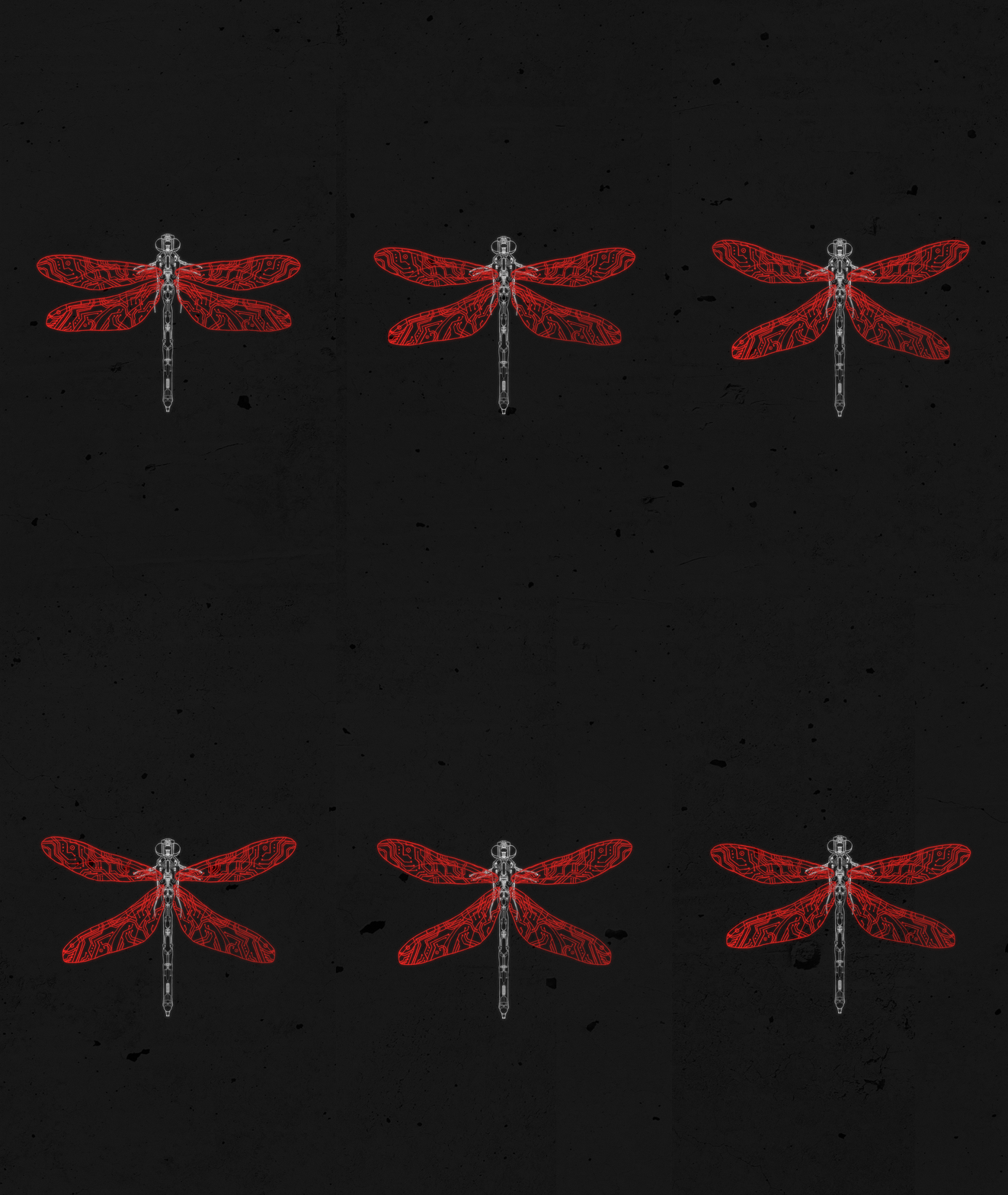
Darknet Diaries
Darknet Diaries was already a well-known podcast with a strong identity and a highly engaged audience. Until that moment, its presence on platforms like Instagram and YouTube was mostly static — YouTube videos relied on a fixed image after the animated intro.
The goal was to introduce motion as a core part of the experience, creating videos for platforms such as TikTok, YouTube Shorts and Instagram that visually supported the podcast while preserving what their community already recognized and trusted.
I developed the first video and proposed the visual approach for the format, which then became the basis for the first series of motion pieces.
Concept:
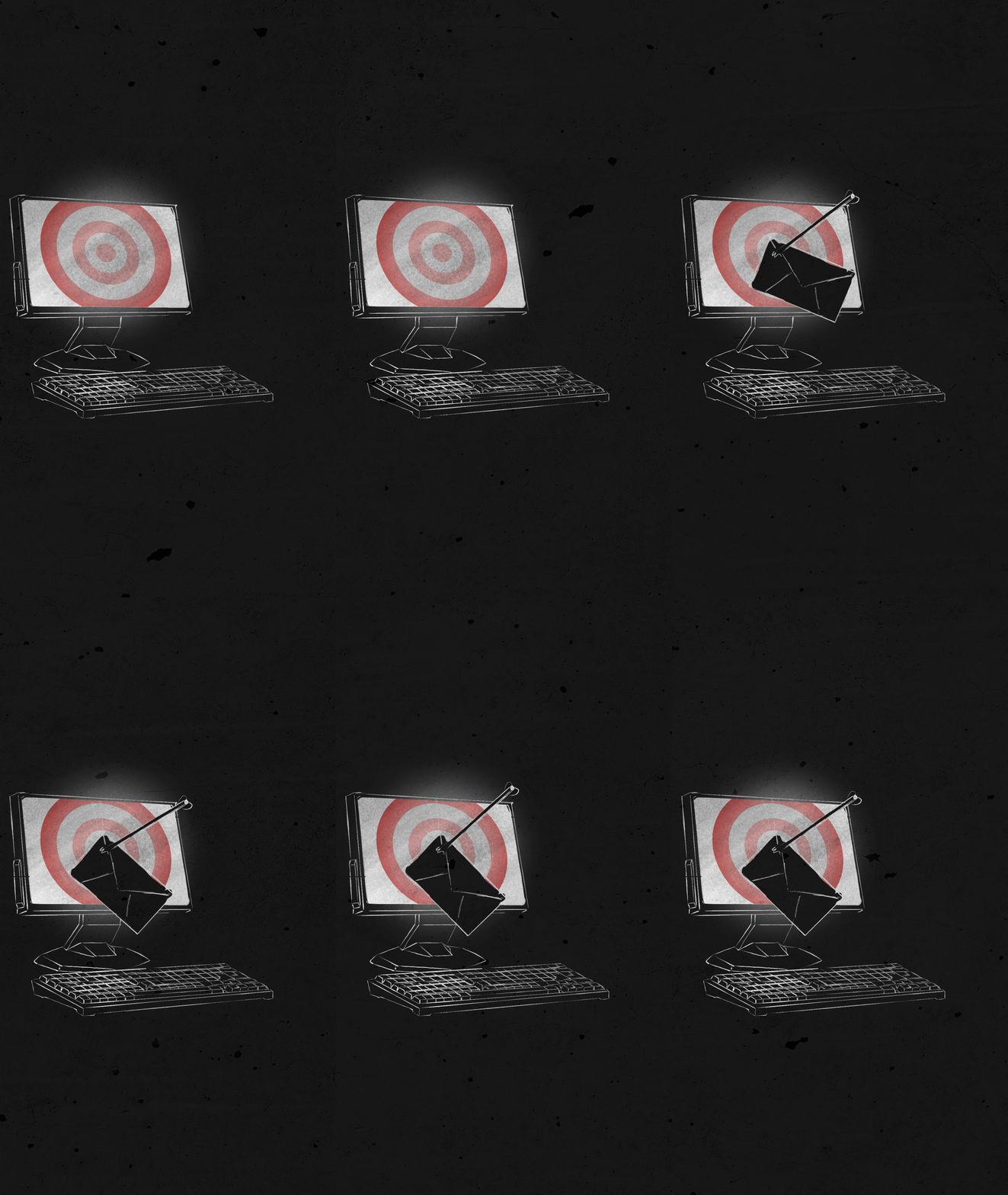
The central idea was to make people visually listen to the podcast.
Rather than reinventing the visual identity, the challenge was to extend it into motion. The illustrations were already strong and familiar to the audience, so the focus was on translating that existing language into movement that felt natural, intentional and aligned with the tone of the stories.
Key questions shaping the concept were:
How can visuals support listening rather than distract from it?
What rhythm fits the narrative of the audio?
When should motion stay subtle, and when should it create tension?
Visual decisions
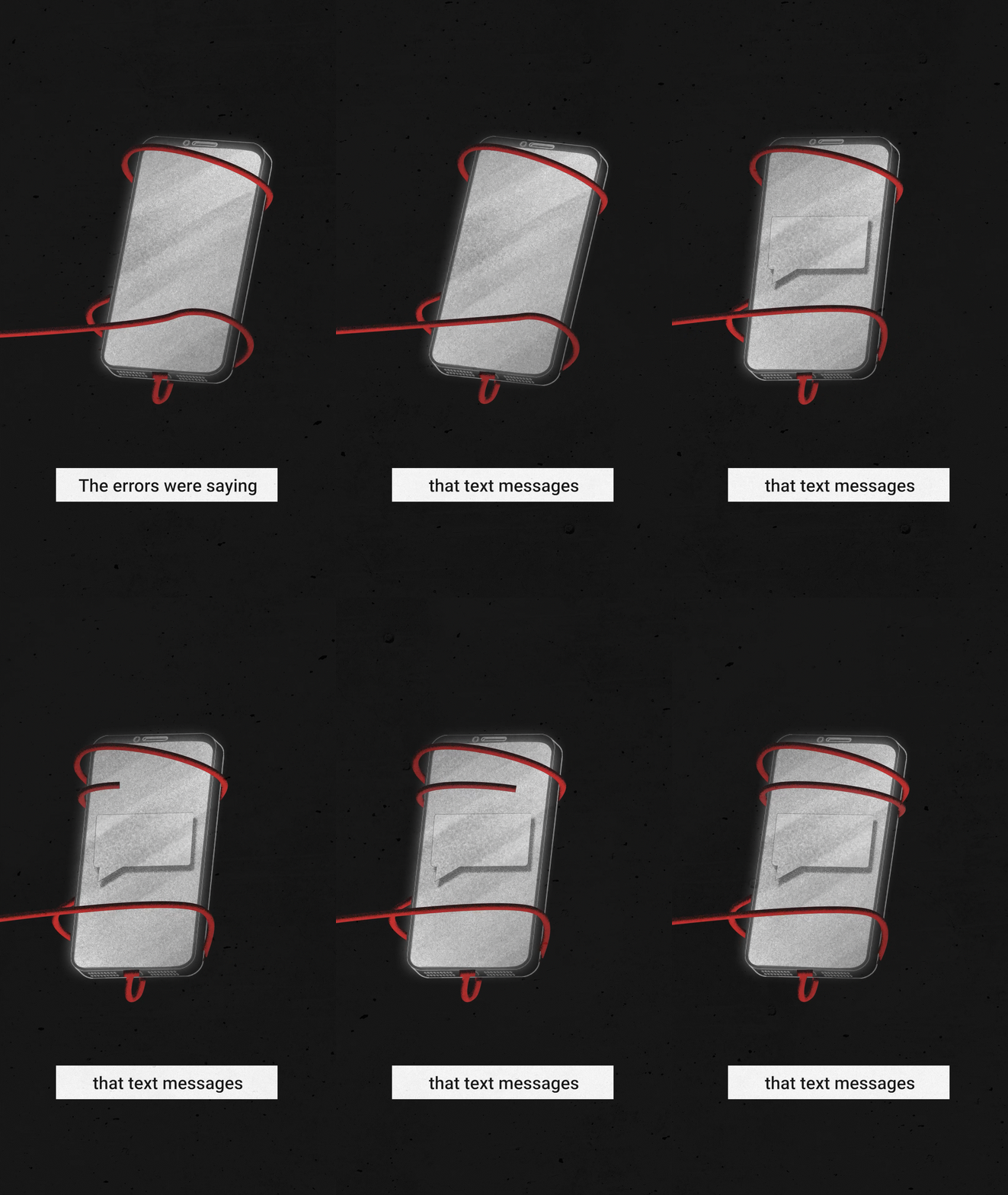
The visual system was built using their reduced color palette and the existing illustrations, complemented by new visuals when needed. The decision was to avoid heavy animation and instead rely on controlled motion.
Most of the animation was based on:
camera movement
subtle character motion
carefully paced transitions
This allowed the visuals to feel alive and engaging while maintaining clarity and respecting the audio as the primary driver of the experience.
Storytelling
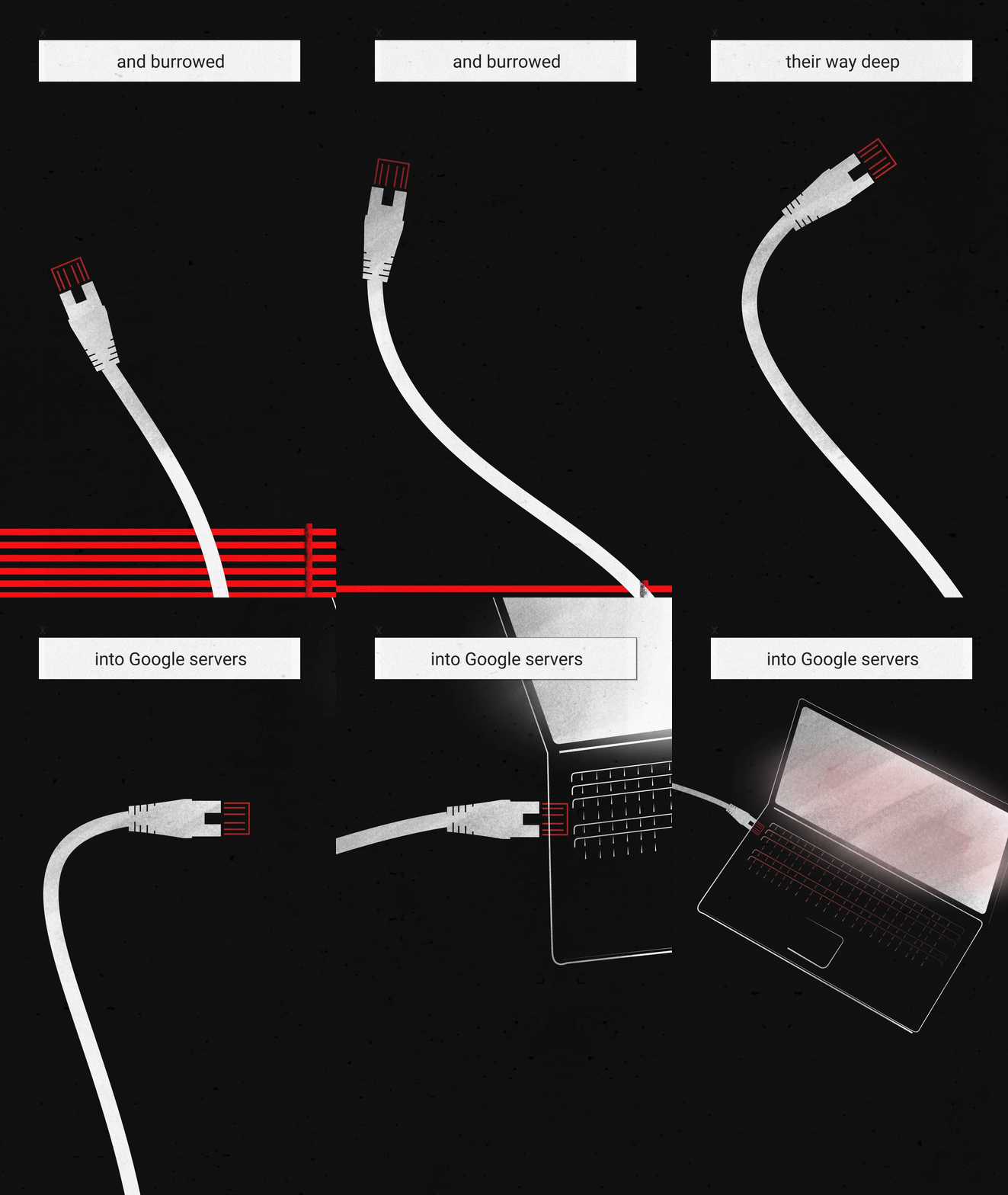
Storytelling was driven primarily through transitions.
Transitions became the main narrative tool, connecting different moments of the podcast without overpowering them. In some cases, transitions acted as visual bridges — for example, a cable connecting two images, or one element transforming into another. In other moments, abrupt cuts were used deliberately to increase tension when the audio required it.
The rhythm of the edits, the timing of transitions and the relationship between sound and image were shaped to follow the podcast’s narrative flow, letting visuals and audio move together as a single piece.
Results
The introduction of motion had a strong impact from the start:
Over 60K views on the first YouTube Short30K views on the first Instagram videoIncreased engagement compared to the previous static formatsThe videos felt familiar to the existing audience while adding a new layer of energy, creating an experience where images and sound worked together naturally — as if motion had always been part of the podcast.